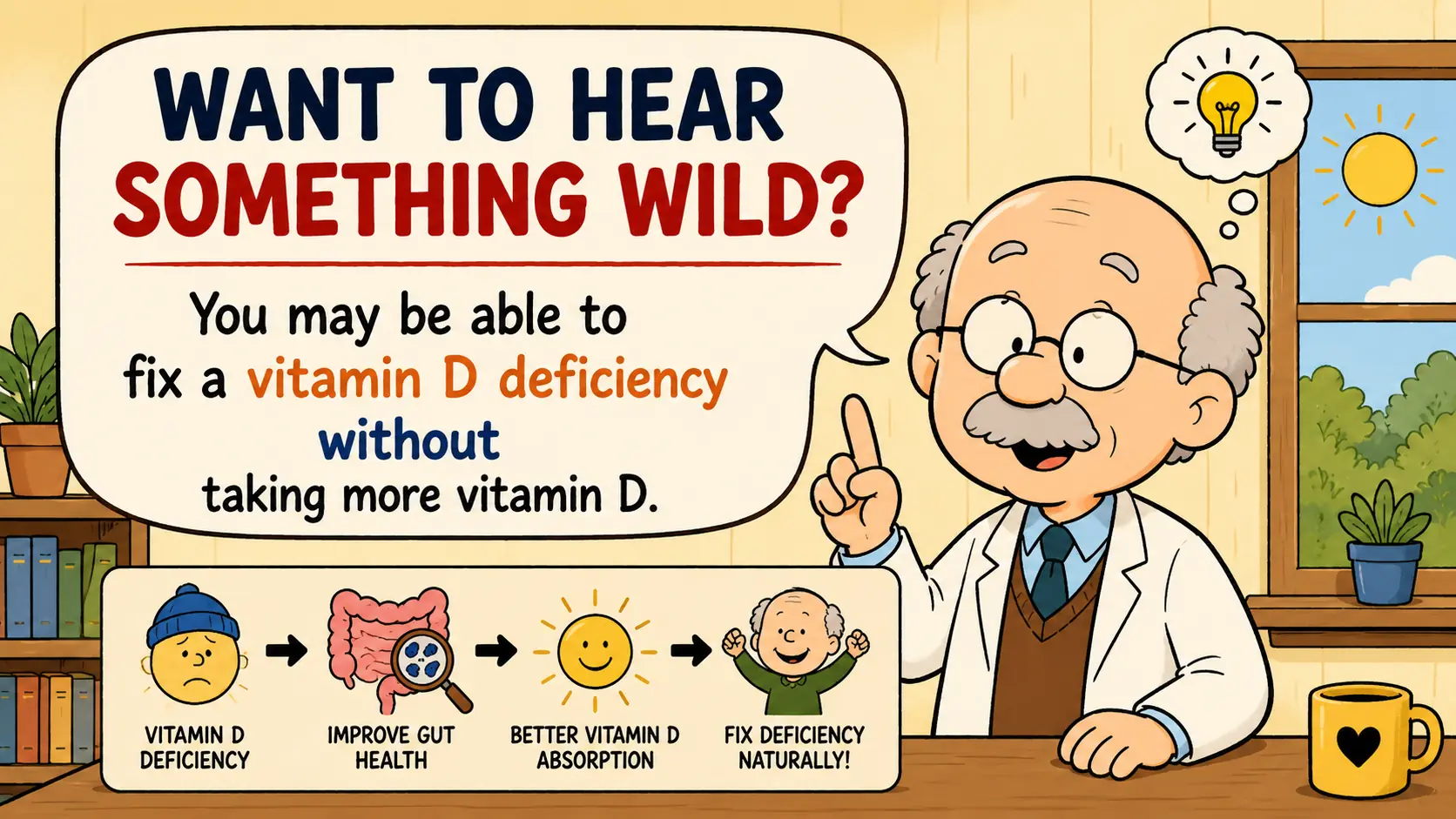
1. Can you improve vitamin D status without taking more vitamin D?
Partly—but it depends on the cause of the deficiency.
Vitamin D comes from three primary sources:
- Sunlight exposure
- Foods naturally containing vitamin D
- Supplements
If blood vitamin D levels are truly low, increasing sun exposure or taking supplements is often necessary. However, simply swallowing more vitamin D isn't always enough if the body cannot properly absorb or utilize it.
Factors such as digestive disorders, obesity, chronic inflammation, liver disease, kidney disease, and certain medications can interfere with vitamin D metabolism.
The key message: Identifying why vitamin D is low is often just as important as increasing vitamin D intake.
2. Why do nutrients like magnesium, vitamin K2, zinc, and vitamin A matter?
Vitamin D doesn't work alone.
Several nutrients play important supporting roles in normal vitamin D metabolism:
Magnesium
Magnesium is required for multiple enzymes involved in converting vitamin D into its active forms. People with low magnesium levels may not use vitamin D efficiently.
Vitamin K2
Vitamin K2 works alongside vitamin D in maintaining normal bone health by helping direct calcium into bones and teeth rather than soft tissues. Research continues to explore this relationship, although evidence is still evolving.
Zinc
Zinc supports hundreds of enzyme systems and contributes to normal immune function. Some laboratory research suggests zinc also supports vitamin D receptor activity, but more human studies are needed.
Vitamin A (Retinol)
Vitamin A supports immune function, vision, and cell growth. Rather than replacing vitamin D, it works alongside many other nutrients to maintain normal physiological functions.
The takeaway: A balanced intake of essential nutrients helps the body use vitamin D more effectively than focusing on vitamin D alone.
3. Does eating more meat automatically solve vitamin D deficiency?
Not necessarily.
Meat provides several nutrients involved in healthy metabolism, including protein, zinc, iron, selenium, vitamin B12, and, depending on the food, some vitamin A and vitamin K2.
However, most cuts of meat contain very little vitamin D. Fatty fish, egg yolks, fortified dairy products, and fortified foods remain much richer dietary sources.
Some people report feeling better after switching to a higher-protein or carnivore-style eating pattern. Improvements may result from:
- Weight loss
- Better blood sugar control
- Reduced intake of ultra-processed foods
- Higher protein intake
- Individual dietary changes
These improvements do not necessarily mean vitamin D deficiency has been corrected.
Current evidence does not support the conclusion that a carnivore diet alone reliably treats vitamin D deficiency.
4. What is vitamin D receptor function?
Vitamin D works by attaching to proteins called vitamin D receptors (VDRs) found throughout the body.
Scientists continue studying how inflammation, obesity, insulin resistance, and certain chronic illnesses may influence vitamin D signaling and responsiveness.
For example:
- Obesity is associated with lower circulating vitamin D because vitamin D can become stored in body fat.
- Chronic inflammation may affect multiple metabolic pathways, including those involving vitamin D.
- Poor gut health may reduce nutrient absorption in certain digestive disorders.
However, the idea that most people have "vitamin D receptor resistance" that can be reversed by one specific diet remains an area of ongoing research rather than established medical consensus.
5. Why do some people feel better after improving their diet?
Many people notice better energy, mood, or overall well-being after making significant dietary improvements.
This may happen because healthier eating patterns often lead to:
- Better nutrient intake
- Improved blood sugar regulation
- Reduced consumption of highly processed foods
- Weight loss when appropriate
- Better sleep
- Reduced inflammation associated with obesity
- Increased physical activity
These changes can improve general health, even if vitamin D levels themselves haven't changed dramatically.
The overall quality of the diet often matters more than focusing on one individual nutrient.
6. What actually helps maintain healthy vitamin D levels?
Current medical guidelines generally recommend:
- Safe sunlight exposure when appropriate
- Eating foods naturally rich in vitamin D, such as salmon, sardines, trout, egg yolks, and fortified dairy products
- Maintaining adequate magnesium through a balanced diet
- Treating digestive disorders when present
- Maintaining a healthy body weight
- Following your healthcare provider's recommendations if blood tests confirm deficiency
For people with moderate or severe vitamin D deficiency, supplements are often the most effective way to restore healthy blood levels under medical supervision.
Vitamin D is essential for bone health, muscle function, immune health, and many other processes throughout the body. But vitamin D doesn't work in isolation.
Supporting nutrients like magnesium, vitamin K2, zinc, and vitamin A contribute to normal vitamin D metabolism, while factors such as obesity, chronic illness, gut health, and lifestyle can influence how efficiently the body uses vitamin D.
The best approach is not to rely on one "miracle" diet or supplement, but to focus on an overall healthy lifestyle, balanced nutrition, appropriate sun exposure, and individualized medical advice based on blood testing when needed.