HOMEMADE MOUTH RINSES: ARE THEY SAFE, EFFECTIVE, AND WORTH TRYING?
Maintaining good oral health involves much more than having a bright smile. Healthy teeth and gums support proper chewing, clear speech, and overall well-being, while poor oral hygiene has been linked to problems such as gum disease, tooth loss, and even certain systemic health conditions. Because of this, many people are constantly searching for simple, affordable ways to improve their daily oral care routine. One home remedy that has become increasingly popular on social media is a homemade mouth rinse made with warm water, baking soda, salt, and lemon juice. The mixture is often promoted as a natural alternative to commercial mouthwash, with claims that it can eliminate bacteria, freshen breath instantly, whiten teeth, and improve overall oral health.
Although these ingredients have long histories of household use, the scientific evidence is far more balanced than many online posts suggest. Some components may temporarily support oral hygiene, while others should be used with caution because of their potential effects on tooth enamel. Understanding how each ingredient works—and its limitations—is essential before making this mixture part of your daily routine.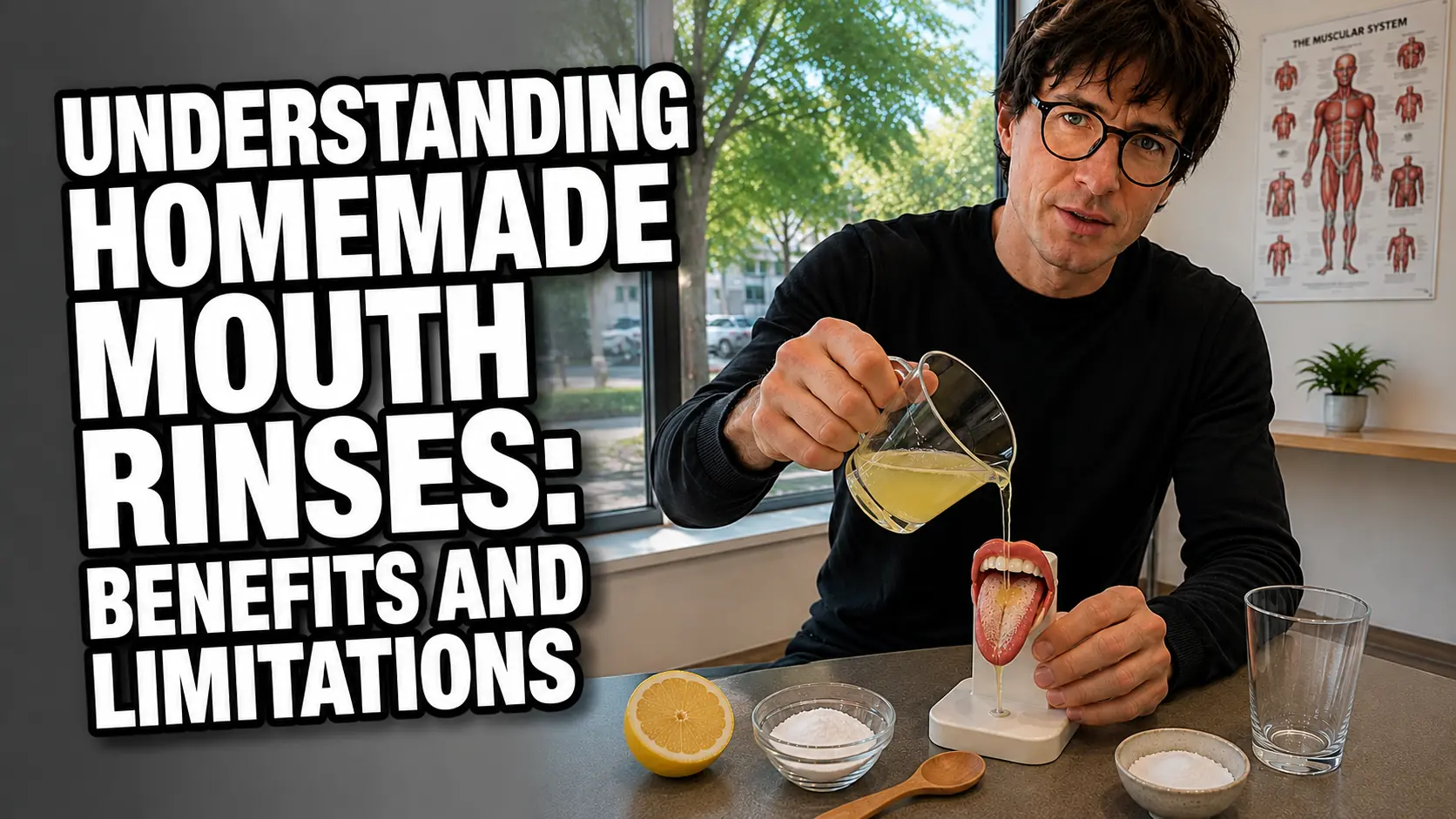
What Is a Homemade Mouth Rinse?
A homemade mouth rinse is a liquid solution prepared from common household ingredients and used to rinse the mouth after brushing or eating. Unlike commercial mouthwashes, which are carefully formulated and tested for safety and effectiveness, homemade rinses rely on simple ingredients that may help cleanse the mouth or temporarily improve breath.
One of the most popular recipes combines warm water, baking soda, salt, and a small amount of lemon juice. Warm water acts as the base, baking soda helps neutralize acids, salt has traditionally been used to soothe irritated oral tissues, and lemon provides a fresh citrus flavor. Together, these ingredients create a rinse that may temporarily alter the environment inside the mouth.
However, it is important to understand that homemade rinses are supportive hygiene practices, not medical treatments. They cannot replace fluoride toothpaste, professional dental care, or evidence-based treatments for gum disease and tooth decay.
Why Has This Recipe Become So Popular?
Natural health trends continue to gain popularity because they appear inexpensive, convenient, and free from artificial ingredients. Many people also prefer homemade alternatives because some commercial mouthwashes contain alcohol, strong flavors, or ingredients they do not recognize.
Social media has amplified this trend by promoting simple kitchen recipes as solutions for bad breath, plaque, gum disease, and stained teeth. While the ingredients used in this rinse do possess certain properties that may benefit oral hygiene, online claims often exaggerate their effects or ignore important limitations.
In reality, dentists agree that good oral health depends primarily on consistent daily habits, including brushing with fluoride toothpaste, flossing, reducing sugary foods, and attending regular dental checkups. Homemade rinses should be viewed as optional additions to these habits rather than replacements.
Baking Soda: A Gentle Acid Neutralizer
Among all the ingredients in this recipe, baking soda has perhaps the strongest scientific support.
Also known as sodium bicarbonate, baking soda is naturally alkaline. After eating, bacteria inside the mouth break down carbohydrates and produce acids that temporarily lower oral pH. These acids contribute to enamel demineralization and increase the risk of cavities over time.
Because baking soda is alkaline, it can temporarily help neutralize these acids, creating a less acidic environment inside the mouth. This is one reason why many commercial toothpastes include baking soda as an active ingredient.
Research also suggests that baking soda can gently remove certain surface stains during brushing because of its mild abrasive properties. However, it is important to distinguish surface stain removal from professional tooth whitening. Baking soda cannot change the natural color of teeth or reverse deep discoloration.
Most importantly, baking soda does not cure cavities, eliminate gum disease, or replace fluoride toothpaste.
Salt: A Traditional Oral Care Remedy
Salt-water rinses have been recommended for generations, particularly after dental procedures or minor oral injuries.
When dissolved in warm water, salt creates a simple solution that helps rinse away food particles and temporarily soothe irritated tissues. Dentists sometimes recommend warm salt-water rinses following tooth extractions, gum procedures, or minor mouth sores because they help keep the area clean during healing.
However, salt water should not be confused with an antiseptic medication. While it may contribute to a cleaner oral environment, it does not eliminate harmful bacteria in the same way as prescription antimicrobial mouth rinses.
Think of salt water as supportive care rather than definitive treatment.
Lemon Juice: Refreshing but Highly Acidic
Lemon juice is perhaps the most controversial ingredient in this recipe.
On one hand, lemons provide vitamin C and contribute a pleasant citrus flavor that many people associate with freshness. Vitamin C plays an important role in collagen production and supports healthy connective tissues, including the gums.
On the other hand, lemon juice contains citric acid, making it highly acidic. Frequent exposure to acidic foods and beverages may gradually soften and erode tooth enamel, especially when teeth are exposed repeatedly throughout the day.
Unlike enamel, once lost, it cannot naturally regenerate.
For this reason, many dental professionals recommend limiting prolonged contact between acidic drinks and the teeth. If lemon juice is included in a homemade rinse, it should be used sparingly, and rinsing afterward with plain water may help reduce prolonged acid exposure.
Can This Homemade Rinse Help Bad Breath?
Bad breath, also known as halitosis, is commonly caused by bacteria that break down food particles and release sulfur-containing compounds.
Simply rinsing the mouth with water—or any liquid—can temporarily wash away some food debris and improve breath freshness. Baking soda may further help by reducing acidity inside the mouth, creating a less favorable environment for certain odor-producing bacteria.
Nevertheless, persistent bad breath often has underlying causes that a homemade rinse cannot address. Gum disease, untreated cavities, dry mouth, smoking, certain medications, digestive disorders, and even chronic sinus infections may all contribute to ongoing halitosis.
If bad breath continues despite good oral hygiene, a professional dental evaluation is the most appropriate next step.
Does It Remove Oral Bacteria?
One of the most common claims found online is that this rinse "kills bacteria."
The reality is more complex.
Rinsing physically removes some bacteria along with food particles and saliva, but this is different from eliminating bacterial populations responsible for gum disease or tooth decay.
Current scientific evidence does not show that a simple mixture of baking soda, salt, and lemon provides the same antimicrobial effects as evidence-based antiseptic mouthwashes used under professional guidance.
Instead, dentists continue to recommend brushing twice daily with fluoride toothpaste, cleaning between the teeth with floss or interdental brushes, and scheduling regular professional cleanings to control harmful oral bacteria.
Building a Healthy Oral Care Routine
No mouth rinse—whether homemade or commercial—can compensate for poor oral hygiene habits.
Research consistently shows that healthy teeth and gums depend on several daily behaviors practiced together. These include brushing for two minutes twice each day using fluoride toothpaste, cleaning between the teeth with floss or interdental brushes, limiting sugary snacks and beverages, drinking enough water, and visiting a dental professional for routine examinations and cleanings.
A homemade rinse, if used appropriately, may become one small part of this routine. It should never replace the core habits that have been proven to prevent cavities and gum disease.
Who Should Avoid Homemade Mouth Rinses?
Although this rinse is generally safe for most healthy adults when used occasionally, it may not be appropriate for everyone.
Individuals with severe tooth sensitivity, active mouth ulcers, advanced gum disease, significant tooth erosion, or ongoing dental pain should avoid relying solely on home remedies.
Children should also avoid homemade mouth rinses unless supervised because accidental swallowing may occur.
If symptoms such as bleeding gums, loose teeth, persistent pain, swelling, or mouth sores continue for more than two weeks, professional dental care should be sought promptly.
The Bottom Line
A homemade mouth rinse prepared with warm water, baking soda, salt, and a small amount of lemon juice may temporarily freshen breath, rinse away food particles, and help neutralize oral acids for a short period. These modest benefits explain why the recipe has remained popular for generations.
However, current scientific evidence does not support claims that this mixture eliminates harmful bacteria, cures gum disease, whitens teeth dramatically, or replaces professional dental care.
The healthiest smile continues to depend on evidence-based habits: brushing twice daily with fluoride toothpaste, flossing regularly, maintaining a balanced diet, limiting sugary foods and acidic beverages, staying hydrated, and visiting a dentist for routine preventive care.
Viewed realistically, a homemade mouth rinse can complement a good oral hygiene routine—but lasting oral health will always be built through consistent daily care rather than any single home remedy.