Why Calcium Matters More Than Many People Realize
Calcium is the most abundant mineral in the human body. About 99% of it is stored in bones and teeth, where it provides strength and structure. The remaining calcium circulates throughout the body and plays essential roles in muscle contraction, nerve signaling, blood clotting, and maintaining a regular heartbeat.
Because the body cannot manufacture calcium on its own, it must come from food. If dietary calcium is consistently inadequate, the body begins drawing calcium from bones to maintain normal physiological functions. Over many years, this may contribute to reduced bone density and an increased risk of fractures, especially in older adults.
This is why nutrition experts emphasize consistent daily calcium intake rather than relying on occasional high doses. Small, sustainable habits practiced over many years often provide greater long-term benefits than short-lived health trends.
Why Eggshells Are Rich in Calcium
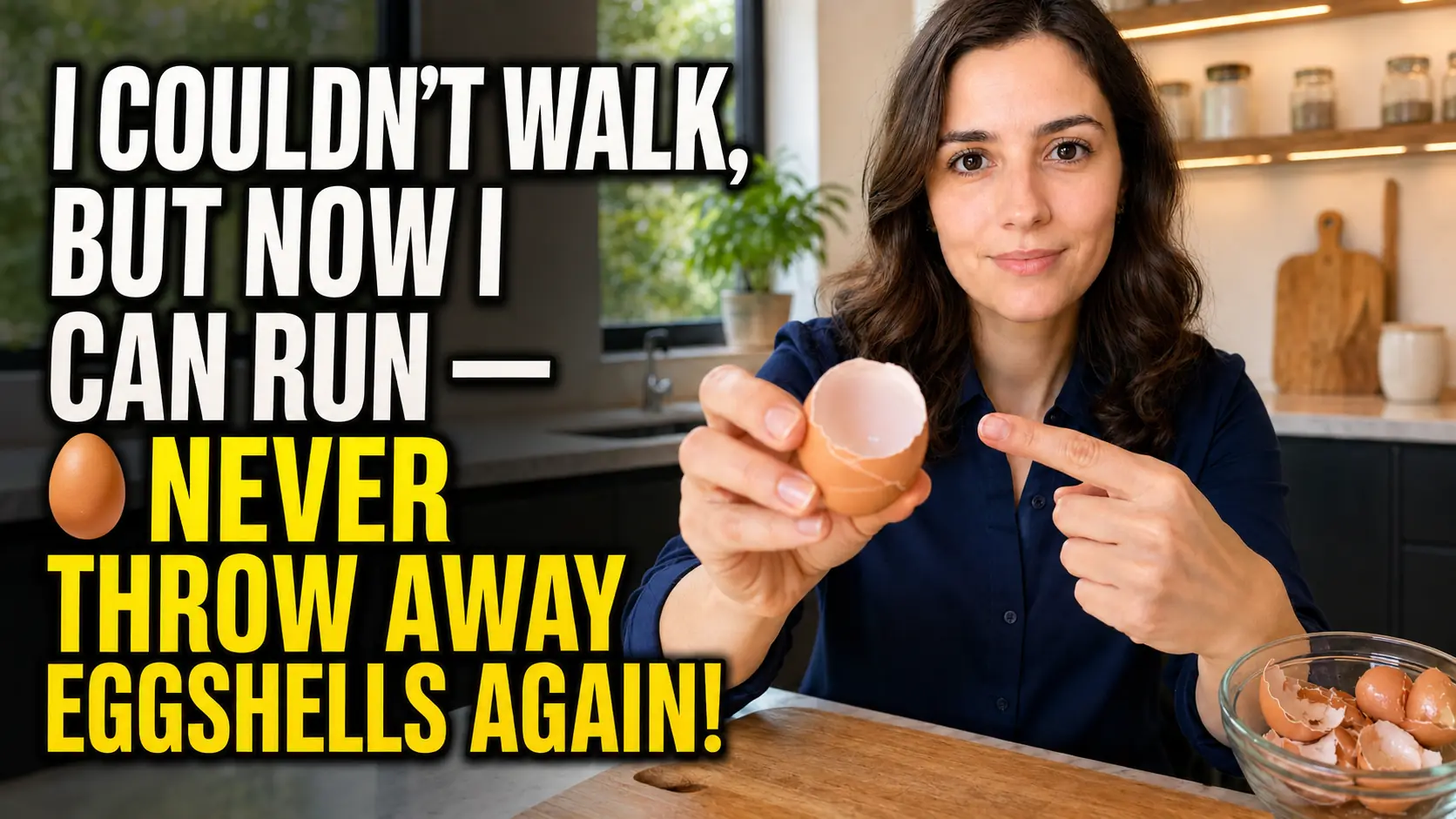
An eggshell consists primarily of calcium carbonate, containing approximately 90–95% calcium carbonate along with trace amounts of magnesium and phosphorus. These additional minerals also contribute to normal bone metabolism, although they are present in relatively small quantities. When the thin inner membrane remains attached during preparation, it also contains small amounts of collagen-related proteins that researchers continue to study for their potential role in joint health.
Although eggshells are rich in calcium, they should never be consumed directly after cracking an egg. Proper preparation is essential to reduce contamination and produce a fine powder that can be mixed into foods more comfortably.
How To Prepare Eggshell Powder Safely
Safe preparation begins by thoroughly rinsing the shells to remove any remaining egg residue. Many people gently scrub them with baking soda before boiling them for approximately 10 minutes. After boiling, the shells are baked in the oven until completely dry and crisp. Once cooled, they are ground into a very fine powder using a coffee grinder or spice grinder. A fine texture is important because it mixes more easily into foods and may improve its practical use. The finished powder should be stored in a clean, airtight container in a cool, dry place.
Simple Ways To Use Eggshell Powder
One reason eggshell powder has remained popular in traditional kitchens is its versatility. Because only a small amount is needed, it can easily be incorporated into many everyday foods without significantly affecting taste.
Some people stir a small amount into orange juice or another citrus beverage. The natural acidity of citrus fruits may help dissolve calcium carbonate more effectively, while the juice masks any mineral flavor. Others blend it into smoothies containing yogurt, berries, or bananas for a nutrient-rich breakfast.
Eggshell powder can also be mixed into oatmeal, yogurt, soups, stews, pancake batter, muffins, homemade bread, or salad dressings. Since the quantity used is very small, most people notice little or no difference in texture when it has been finely ground.
Traditional households often incorporated eggshell powder into recipes simply because they disliked wasting nutritious ingredients. Today, that same principle aligns well with sustainable cooking and reducing food waste.
Vitamin D: The Missing Partner
Calcium alone cannot build strong bones efficiently. Vitamin D plays a crucial role because it helps the body absorb calcium from the digestive tract. Without adequate vitamin D, even a calcium-rich diet may not be utilized as effectively.
Sunlight remains one of the body's primary sources of vitamin D. Fatty fish, fortified dairy products, fortified plant milks, and egg yolks also contribute to vitamin D intake. This is why nutrition professionals consistently recommend viewing calcium and vitamin D as complementary nutrients rather than separate strategies for bone health.
Eggshell Powder Is Only One Piece Of Bone Health
While calcium receives most of the attention, healthy bones depend on many lifestyle factors working together. Regular weight-bearing exercise such as walking, resistance training, and balance exercises helps stimulate bone remodeling throughout life.
Adequate protein intake supports the formation of bone matrix, while fruits and vegetables provide vitamins, antioxidants, and minerals that contribute to overall skeletal health. Avoiding smoking, limiting excessive alcohol consumption, and maintaining a healthy body weight also support long-term bone strength.
No single food, supplement, or homemade remedy can replace these evidence-based habits.
Is Eggshell Powder Right For Everyone?
Although eggshell powder may be an additional calcium source, it is not appropriate for everyone. Individuals with kidney disease, kidney stones, disorders affecting calcium metabolism, or those already taking calcium supplements should consult a healthcare professional before adding more calcium to their diet.
Excessive calcium intake can cause digestive discomfort and may increase health risks in certain individuals. More is not always better. Moderation and individualized guidance remain essential.
The Bigger Lesson
Perhaps the most valuable lesson from eggshell powder isn't simply about calcium—it's about learning to recognize nutrition in places we often overlook. Generations before modern supplements became widely available, families practiced resourcefulness by making thoughtful use of everyday ingredients. Today, nutritional science helps explain why some of those traditions persisted while also reminding us to approach them with proper preparation and realistic expectations.
Eggshell powder should never be viewed as a miracle cure or a replacement for medical care. Instead, it represents one small, affordable way to support daily calcium intake within an overall healthy lifestyle. Combined with vitamin D, regular exercise, balanced nutrition, and consistent healthy habits, it can become one practical part of a lifelong strategy for maintaining strong bones.
In the end, lasting health rarely comes from dramatic shortcuts. It is built through simple, repeatable choices practiced day after day. Sometimes those choices begin with something as ordinary as looking at an eggshell and seeing not waste, but an opportunity to nourish the body a little better.