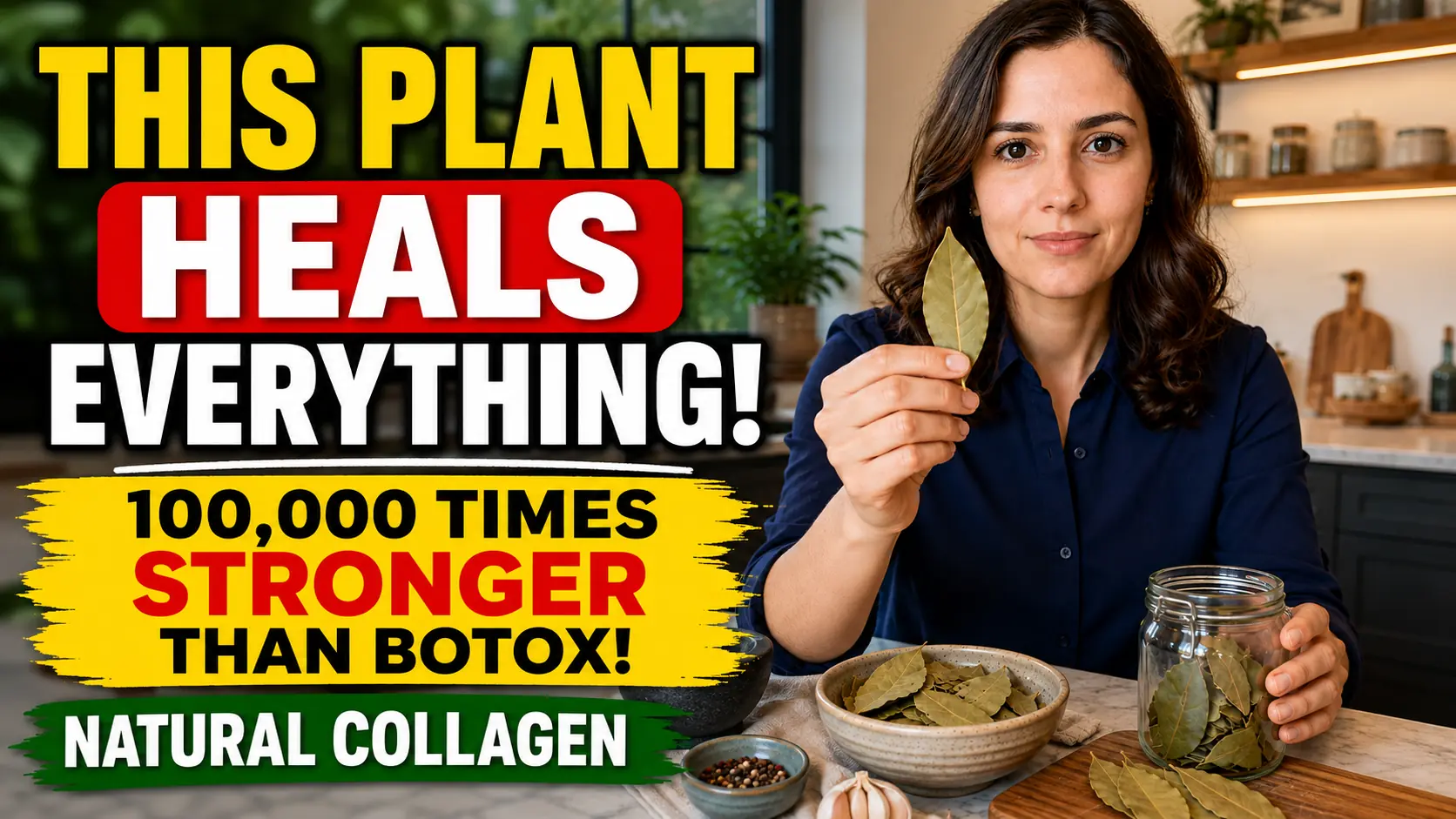
Why Bay Leaves Have Been Used for Centuries
Bay leaves (Laurus nobilis) have been used in traditional herbal practices for thousands of years. Beyond their distinctive aroma, they contain essential oils, flavonoids, polyphenols, and other antioxidant compounds that researchers continue to investigate.
Laboratory studies suggest that bay leaves possess antioxidant and antimicrobial activity. While these findings are encouraging, most research has been performed in laboratory settings, meaning more human studies are needed before specific health claims can be made.
Still, their pleasant herbal fragrance and rich botanical profile make bay leaves an excellent ingredient for homemade infused oils.
The Role of Cloves and Garlic
This traditional recipe combines bay leaves with cloves and garlic before infusing everything in olive oil.
Cloves are naturally rich in eugenol, one of the most studied plant compounds in herbal medicine. Eugenol has demonstrated antioxidant activity and is widely used in dentistry because of its soothing properties.
Garlic has earned its reputation as one of the world's most researched medicinal plants. It contains sulfur-containing compounds such as allicin, which have been investigated for their antimicrobial and cardiovascular effects. While topical garlic preparations should always be used cautiously because they may irritate sensitive skin, small amounts have traditionally been included in herbal oils.
Olive oil serves as the carrier oil, helping extract fat-soluble compounds from the herbs while providing its own skin-conditioning benefits. Rich in vitamin E and healthy monounsaturated fats, extra virgin olive oil has long been valued for moisturizing dry skin and protecting the skin barrier.
How to Make Bay Leaf Oil
The preparation is surprisingly simple.
Begin with six or seven fresh or dried bay leaves and chop them into small pieces. Place the chopped leaves into a clean glass jar. Add approximately one tablespoon of whole cloves, followed by four cloves of freshly chopped garlic. Finally, pour about 150 milliliters of extra virgin olive oil over the ingredients until everything is completely covered.
Rather than heating the oil directly, the recipe uses a gentle water-bath method. The jar is placed inside a pot lined with a small towel, water is added halfway up the jar, and the mixture is gently heated for about twenty minutes after the water begins simmering. This low-temperature infusion helps release the aromatic compounds from the herbs while avoiding excessive heat that may damage the oil.
After cooling completely, strain the mixture through a fine mesh strainer or cheesecloth and transfer the finished oil into a clean glass bottle.
Stored in a cool, dark place, the oil may remain usable for several months when prepared hygienically.
Using Bay Leaf Oil for Hair Care
One of the most popular traditional uses of this herbal oil is scalp massage.
The recipe recommends applying a small amount directly to the scalp twice each week, gently massaging for about ten minutes before leaving the oil on for thirty to forty minutes and then washing it out with shampoo.
Scalp massage itself may help increase local blood circulation, reduce tension, and improve relaxation. Olive oil also helps moisturize dry hair and may reduce breakage caused by dryness.
Although many traditional remedies claim this oil stops hair loss or regrows bald areas, these claims have not been confirmed by high-quality clinical research. Hair loss has many possible causes, including genetics, hormonal changes, nutritional deficiencies, autoimmune disease, medications, and medical conditions. Persistent or sudden hair loss should always be evaluated by a healthcare professional.
A Nourishing Massage Oil
Another traditional use is as a massage oil for tired muscles and joints.
Massage alone has been shown to promote relaxation, temporarily reduce muscle tension, and improve overall comfort for many people. The olive oil provides excellent glide during massage while leaving the skin feeling soft and hydrated.
Some people also enjoy using herbal oils after a warm bath as part of an evening relaxation routine. The pleasant aroma of bay leaves and cloves may enhance the overall sensory experience, even though the oil itself should not be considered a treatment for arthritis, chronic pain, or varicose veins.
Can It Be Used for Skin Care?
Many homemade beauty recipes include herbal oils because they help lock moisture into the skin.
The original recipe also suggests incorporating the oil into homemade face masks or creams.
However, because garlic and clove oils may irritate sensitive skin, it is always wise to perform a small patch test before applying the oil more broadly. If redness, burning, itching, or irritation develops, discontinue use immediately.
Those with eczema, rosacea, very sensitive skin, or known allergies to any of the ingredients should consult a dermatologist before trying homemade herbal preparations.
Safety First
Natural does not automatically mean harmless.
Homemade herbal oils should never be applied to broken skin, infected wounds, or areas with severe irritation. Pregnant women, young children, and people taking blood-thinning medications should also seek medical advice before regularly using concentrated herbal preparations.
Always prepare the oil using clean equipment, store it in a tightly sealed bottle, and discard it if it develops an unusual odor, mold, or signs of spoilage.
The Bottom Line
Bay leaf oil is a fascinating example of traditional herbal self-care that has been passed down through generations. Combining bay leaves, cloves, garlic, and olive oil creates a fragrant infusion that many people enjoy for scalp massage, skin hydration, and relaxing body massage.
While modern research supports the presence of beneficial plant compounds in these ingredients, there is currently no strong clinical evidence that this homemade oil can cure hair loss, eliminate varicose veins, or treat chronic joint disease. Its greatest value lies in its ability to complement a healthy self-care routine rather than replace evidence-based medical treatment.
Sometimes the simplest wellness rituals—preparing natural ingredients with care, slowing down for a relaxing massage, and taking a few quiet moments for yourself—can be just as meaningful as the herbal ingredients themselves.