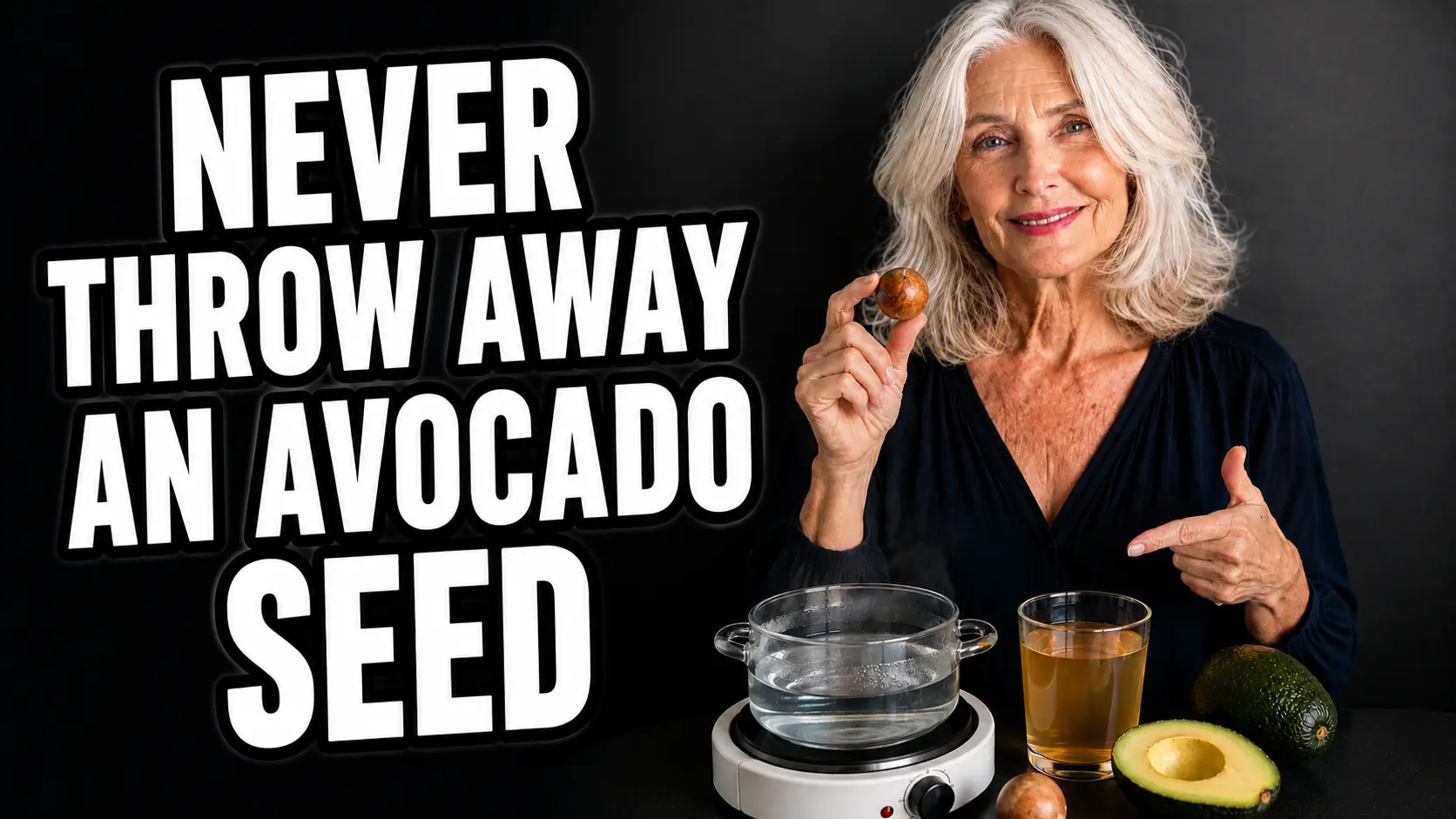
What Is Avocado Seed Tea?
Avocado seed tea is a homemade infusion or decoction made from the hard pit of an avocado. Recipes vary widely. Some call for boiling the whole seed, while others instruct users to cut, grate, dry, roast, or grind it first. Preparation time, seed size, avocado variety, water volume, and serving size are rarely standardized.
That variation matters. Cutting or grinding increases the surface area exposed to water and may extract a different concentration of compounds than boiling a whole seed. Drying and heating can also change the chemical profile. A preparation described casually as “one seed in a pot” is not a consistent dose.
Research on avocado seed usually examines a measured extract prepared with water, ethanol, acetone, or another laboratory method. These extracts may be concentrated, filtered, purified, freeze-dried, or tested directly on cells, microbes, or animals. Results from such experiments cannot be transferred automatically to a cup of homemade tea.
Why Avocado Seeds Attract Scientific Interest
The seed represents a substantial portion of the fruit and is usually discarded, so scientists and food manufacturers are interested in finding useful applications for it. Analyses have identified starch, fiber, fatty acids, minerals, and numerous plant chemicals, including phenolic compounds and procyanidins.
In laboratory antioxidant tests, avocado seed extracts can perform well—sometimes better than extracts from the edible pulp. This has encouraged research into their possible use in food preservation, packaging, cosmetics, or standardized ingredients.
But “high in antioxidants” is not a clinical outcome. Laboratory assays measure how an extract reacts under specific chemical conditions. They do not show whether a person absorbs the compounds, what dose reaches human tissues, whether the effect lasts, or whether the same dose causes unwanted effects.
The body also does not need the food with the highest possible score on an antioxidant assay. A varied diet supplies vitamins, minerals, fiber, and thousands of plant compounds through foods with much stronger records of human safety. More antioxidant activity in a test does not automatically mean better health, better sleep, less pain, or a longer life.
Does Avocado Seed Tea Clean the Gut?
The phrase “clean the gut” has no precise medical meaning. The digestive tract already moves waste through coordinated muscle activity, while the liver and kidneys process and eliminate many substances. A healthy gut is not an empty or sterilized gut; it contains a complex community of microorganisms and a protective intestinal barrier.
Test-tube studies have found that avocado seed extracts can inhibit certain bacteria or fungi. That does not prove the tea improves the human microbiome. An antimicrobial compound could affect helpful organisms as well as unwanted ones, and the concentration that inhibits a microbe in a dish may not be achievable or safe in the digestive tract.
There are no strong human trials showing that avocado seed tea treats constipation, bloating, irritable bowel syndrome, Candida overgrowth, or another digestive condition. Anyone with persistent abdominal pain, blood in the stool, unexplained weight loss, repeated vomiting, fever, difficulty swallowing, or a major change in bowel habits needs medical evaluation rather than a “cleanse.”
For everyday digestive health, established strategies include adequate fluids, regular physical activity, and gradually increasing fiber through vegetables, fruit, beans, lentils, whole grains, nuts, and edible seeds. People with a gastrointestinal disorder may need individualized guidance because rapidly adding fiber can worsen symptoms in some conditions.
Can It Stabilize Blood Sugar?
Some avocado seed extracts have inhibited carbohydrate-digesting enzymes in laboratory experiments, and animal studies have explored possible effects on glucose. These findings are preliminary. They do not demonstrate that boiled seed water controls blood sugar in people with prediabetes or diabetes.
A separate human trial involving a specially prepared extract from unripe avocado—not avocado seed tea—did not improve its primary measure of glucose tolerance in adults with obesity. Different parts of a plant and different extraction methods are not interchangeable.
Blood glucose is influenced by food quantity and composition, physical activity, sleep, stress, illness, hormones, and medication. A person with diabetes should not replace medication or alter a dose because a tea is described as “natural.” Doing so can lead to dangerously high or low glucose.
Anyone who uses insulin, a sulfonylurea, or another glucose-lowering medication should be particularly cautious with untested products promoted for blood sugar. Combining an unknown preparation with medication makes the effect difficult to predict. Proven care includes appropriate nutrition, activity, monitoring, regular A1C testing, and medication selected with a qualified clinician.
Does Avocado Seed Tea Reduce Pain?
Laboratory and animal research sometimes reports anti-inflammatory or pain-related effects from concentrated plant extracts. These experiments can help scientists identify compounds worth studying, but they do not establish an effective human pain treatment.
Pain is a symptom with many possible causes, including muscle strain, arthritis, nerve injury, infection, autoimmune disease, kidney stones, ulcers, and heart or vascular problems. The idea that a tea “fights the pain your body stopped telling you about” is especially misleading. Pain that is absent cannot be used to prove the drink is working, and pain that persists should not be masked without understanding its cause.
Seek urgent care for chest pressure, sudden severe headache, one-sided weakness, difficulty breathing, a rigid or intensely painful abdomen, major injury, or pain accompanied by fainting. Ongoing joint, back, nerve, or abdominal pain deserves a proper assessment. Treatment may include movement, physical therapy, sleep improvement, medication, or condition-specific care—none of which can be replaced by avocado seed tea.
Will Drinking It Before Bed Improve Sleep?
There is no credible human evidence that avocado seed tea produces deeper or longer sleep. It is not an established source of a sedative compound, and no standardized clinical trials have shown that it treats insomnia.
A warm caffeine-free beverage can feel relaxing as part of a bedtime routine. That effect does not make every warm infusion an active sleep treatment. Expectation can also influence how someone perceives a single night’s rest. A testimonial such as “the deepest sleep I’ve had in years” cannot separate the tea from placebo effects, natural night-to-night variation, or changes in routine.
Better-supported sleep habits include keeping a consistent wake time, creating a quiet and dark bedroom, getting daytime physical activity and natural light, and limiting late caffeine, nicotine, alcohol, heavy meals, and screen-related stimulation. If you want a warm drink, choose an ordinary caffeine-free beverage that is known to be safe for you rather than boiling a discarded seed.
Persistent insomnia, loud snoring, gasping during sleep, uncomfortable leg sensations, morning headaches, or severe daytime sleepiness should be discussed with a healthcare professional. Cognitive behavioral therapy for insomnia is an effective first-line treatment for chronic insomnia, while sleep apnea requires specific evaluation and care.
Is Avocado Seed Tea Safe?
The honest answer is that regular safety has not been established in humans. Published research focuses heavily on chemical analysis, laboratory models, food-technology applications, and animal experiments. The absence of well-documented poisoning reports is not proof that repeated consumption is safe.
Avocado seeds contain many biologically active compounds. Researchers have raised questions about substances such as tannins, trypsin inhibitors, cyanogenic glycosides, and other constituents whose amounts can vary. Avocado plants also contain persin, a compound known for toxicity in several animal species. The relevance of each compound to a particular homemade human serving is uncertain—which is precisely why a safe dose cannot simply be guessed.
Animal toxicity findings are mixed and depend on species, extract, route, and dose. Some studies report no obvious harm below certain experimental doses; others have found adverse effects at higher exposures. An ethanol extract, an oil fraction, a dried powder, and a boiled-water infusion are chemically different preparations. One cannot be used to declare all the others safe.
Boiling may reduce, destroy, or extract different compounds, but “heat it for 20 minutes” has not been validated as a safety step. Home cooks cannot measure the final concentration or confirm that potentially concerning constituents have been removed. The seed’s bitterness is not a reliable indicator of safety either.
Who Should Be Especially Cautious?
Children should not be given experimental seed preparations. Their smaller body size can produce greater exposure per pound, and young children may be more vulnerable to dehydration if vomiting or diarrhea occurs.
Pregnant or breastfeeding people should avoid avocado seed remedies because safety data are inadequate. The same caution applies to people with liver or kidney disease, gastrointestinal ulcers, swallowing problems, multiple medication use, or a history of serious food reactions.
People taking diabetes medicine, blood pressure medicine, anticoagulants, sedatives, or other prescription drugs should not assume the tea is interaction-free. A natural product can alter absorption, metabolism, blood pressure, glucose, bleeding risk, or sedation. Without human pharmacology studies, reliable interaction guidance is unavailable.
Avocado flesh can trigger allergic reactions in some individuals, including people with latex-fruit syndrome. Anyone who develops hives, swelling of the lips or tongue, wheezing, trouble breathing, dizziness, or faintness after exposure needs emergency help.
What to Do After Drinking Avocado Seed Tea
If you already tried a small amount and feel well, do not panic. Stop using it and avoid assuming that the absence of an immediate reaction proves long-term safety. Save the recipe details, including how the seed was prepared and approximately how much was consumed.
For nausea, vomiting, abdominal pain, diarrhea, dizziness, weakness, or another concerning symptom, contact a healthcare professional or Poison Control in the United States at 1-800-222-1222. Poison Control can provide case-specific guidance based on the person, amount, preparation, symptoms, and timing. Do not induce vomiting unless a medical professional specifically instructs you to do so.
Call 911 if the person collapses, has a seizure, has trouble breathing, cannot be awakened, or develops signs of a severe allergic reaction. Keep the remaining mixture and seed away from children and pets.
The Difference Between Edible Avocado and Its Seed
Rejecting avocado seed tea does not mean avocados are unhealthy. The edible flesh provides monounsaturated fat, fiber, potassium, folate, and other nutrients. It can be part of a balanced eating pattern when portion size fits a person’s energy needs.
Use avocado in salads, sandwiches, grain bowls, dips, or as a replacement for some foods higher in saturated fat. Wash the outside under running water before cutting so the knife does not carry organisms from the peel into the flesh. Refrigerate cut avocado promptly.
Not every part of a nutritious plant is intended to be eaten. Peach pits, raw kidney beans, rhubarb leaves, and many other plant parts illustrate why “natural” and “from food” do not guarantee safety. The edible history and evidence for avocado flesh cannot be extended automatically to the peel, leaves, or seed.
Safer Alternatives for the Claimed Benefits
For antioxidants, choose foods people routinely consume safely: berries, citrus fruit, colorful vegetables, beans, nuts, seeds, coffee, tea, herbs, and spices. No single food needs to have the highest laboratory antioxidant value. Variety is more practical and supplies a broader range of nutrients.
For gut health, prioritize fiber-containing foods and adequate hydration, adjusting the plan to your digestive tolerance. Yogurt or other fermented foods may fit some diets, but they are not mandatory and do not cure every digestive complaint.
For blood sugar, build meals around minimally processed carbohydrates, fiber, protein, and unsaturated fats in portions appropriate for you. Regular activity, especially movement after meals, can support glucose management. Follow your clinician’s medication and monitoring plan.
For pain, use a treatment matched to the cause. For sleep, focus on a consistent schedule, light exposure, activity, and evidence-based insomnia care. These approaches may appear less exciting than a secret tea, but they have clearer benefits and fewer unknowns.
How to Evaluate Viral Natural-Remedy Claims
Pause when one ingredient is said to treat several unrelated problems at once. Gut health, diabetes, chronic pain, and insomnia have different causes and validated treatments. A remedy claimed to solve all of them is more likely to be marketing than medicine.
Ask whether the evidence comes from human trials or only from cells and animals. Check whether researchers studied the exact preparation, dose, and outcome being promoted. Look for safety data, not just possible benefits. Be skeptical of phrases such as “detox,” “hidden pain,” “ancient secret,” or “doctors won’t tell you.”
Finally, notice whether the post asks for comments, follows, or purchases while offering no dose standardization, contraindications, or discussion of uncertainty. Engagement is not evidence, and repetition does not turn a claim into a fact.
The Bottom Line
Avocado seeds contain interesting plant compounds and may someday have carefully developed uses in food science or medicine. That possibility does not make homemade avocado seed tea a proven remedy today.
There is no reliable human evidence that boiling an avocado seed for 20 minutes cleans the gut, stabilizes blood sugar, treats pain, or produces unusually deep sleep. Regular human safety, an effective dose, drug interactions, and the chemical effects of home preparation remain insufficiently defined.
Enjoy the avocado flesh and discard or compost the seed. When a health concern involves digestion, glucose, pain, or sleep, choose an approach with established safety and evidence—and seek professional care when symptoms persist or become severe.