and explained that the engine might not be worth restoring for practical use, though it could still teach him something about how machines worked. She asked whether he was willing to clean, measure, and write down what he found before expecting anything to move. His face brightened. He said that was exactly what he wanted.
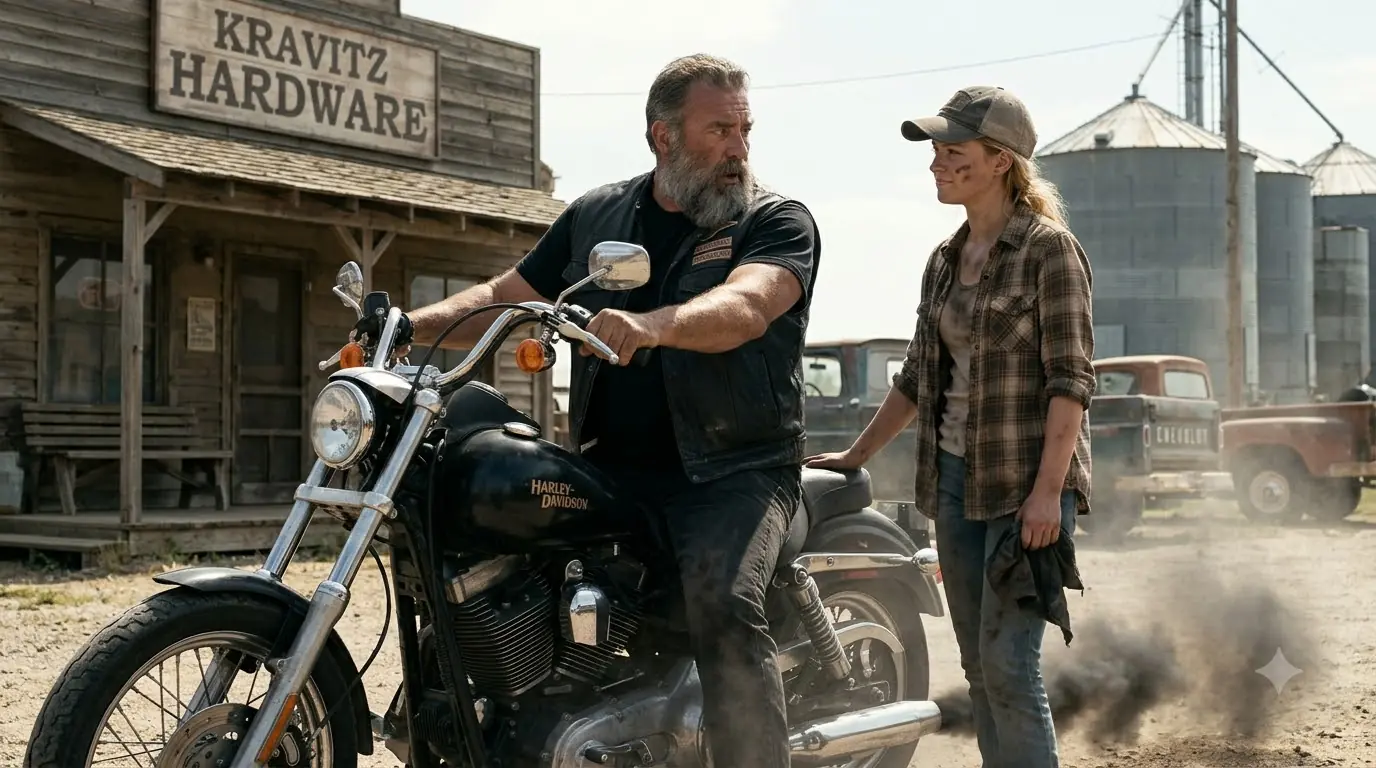
Maria set out a tray, and Clara gave the boy a pencil and a pair of safety glasses. They began with simple observations, then discussed what each part was supposed to do. When he made a wrong guess, Clara asked a better question rather than laughing. She remembered her father's hands guiding her around a socket wrench and the patient irritation in his voice when she wanted to skip a step. She also remembered the man in leather who had pushed a crippled Harley into town and listened long enough to believe an unfamiliar girl might know what she was talking about.
By the end of the afternoon, the boy had identified several problems but had not repaired the engine. His mother apologized for taking so much time. Clara gave her an invoice for the agreed instructional session and said the boy had done good work. He looked disappointed that nothing had started, and she asked whether he understood more than when he arrived. He considered the question, then nodded. Clara smiled and told him that was a kind of progress no machine could take away.
After they left, she stood beneath the sign and watched the county road for a moment. She could still remember the field crowded with one hundred and ninety motorcycles, the sudden silence after their engines stopped, and the frightening possibility that every rider had come to see her fail. But she remembered the questions more strongly now: why she had chosen one part, rejected another, asked for a specialist, and refused to promise what she could not prove. The riders had helped her keep the farm, yet their greatest gift had been treating her as a working mechanic whose decisions deserved serious attention.
That evening she opened Daniel's notebook and wrote beneath the older sentence about not quitting. She did not cross out his words; she added to them. Sometimes a machine was not worth fixing, she wrote, and sometimes a person needed help before a problem became a catastrophe. What mattered was the honesty to know the difference, the skill to act on it, and the courage to keep learning after the crowd went home. She closed the notebook and switched off the bench lamp.
Outside, wind moved softly through the field where the motorcycles had once parked. The barn sign creaked above the doorway, its painted letters bright against weathered timber. Clara locked the shop, checked the cattle trough, and walked toward the house with a stack of invoices under one arm. Her father's tools waited in their outlines, and beside them stood the tools she had bought with her own earnings. The farm was still hers to care for, the work was still hers to learn, and the future no longer looked like something three men could decide without asking her.