1. Should everyone drink a glass of water before bed to prevent a stroke?
One common claim is that going to bed thirsty increases the risk of stroke and that everyone should drink a glass of water before sleeping.
Hydration is certainly important. Water helps maintain normal circulation, supports healthy organ function, and prevents dehydration. However, there is no medical guideline recommending that every person must drink water immediately before bed to prevent a stroke.
Hydration needs vary based on age, body size, medications, activity level, climate, and underlying health conditions. Drinking excessive fluids before bedtime may actually interrupt sleep because of frequent nighttime urination. People living with heart failure or kidney disease may even require fluid restrictions prescribed by their physician.
The healthiest approach is to maintain good hydration throughout the entire day rather than relying on a single glass of water before bedtime.
Key takeaway:
Stay well hydrated during the day, but don't assume that drinking water before bed will prevent a stroke.
2. Should someone wake you up if you snore?
Many people believe that snoring itself is dangerous and that family members should wake anyone who snores.
Fortunately, this is not necessary.
Occasional snoring is extremely common and, by itself, does not usually indicate a serious medical problem.
However, loud, frequent snoring combined with symptoms such as:
-
Pauses in breathing
-
Choking or gasping during sleep
-
Morning headaches
-
Excessive daytime sleepiness
-
Difficulty concentrating
may indicate obstructive sleep apnea (OSA).
Instead of repeatedly waking someone during the night, the better solution is to seek medical evaluation. A sleep study can determine whether sleep apnea is present and whether treatment is needed.
Key takeaway:
Snoring alone is usually harmless, but habitual loud snoring with breathing interruptions should be evaluated by a healthcare professional.
3. Does snoring mean your brain isn't getting enough oxygen?
This statement is only partially true.
Snoring occurs when tissues in the upper airway vibrate during sleep. Many people snore without experiencing any significant reduction in oxygen levels.
The concern arises when snoring is caused by obstructive sleep apnea. During apnea episodes, the airway repeatedly becomes blocked, reducing airflow and lowering blood oxygen levels. These repeated interruptions can increase blood pressure, strain the cardiovascular system, and raise the long-term risk of heart disease and stroke.
In other words, snoring itself is not the danger—untreated sleep apnea may be.
Key takeaway:
Snoring does not automatically mean low oxygen levels, but loud snoring with breathing pauses may be a warning sign of sleep apnea.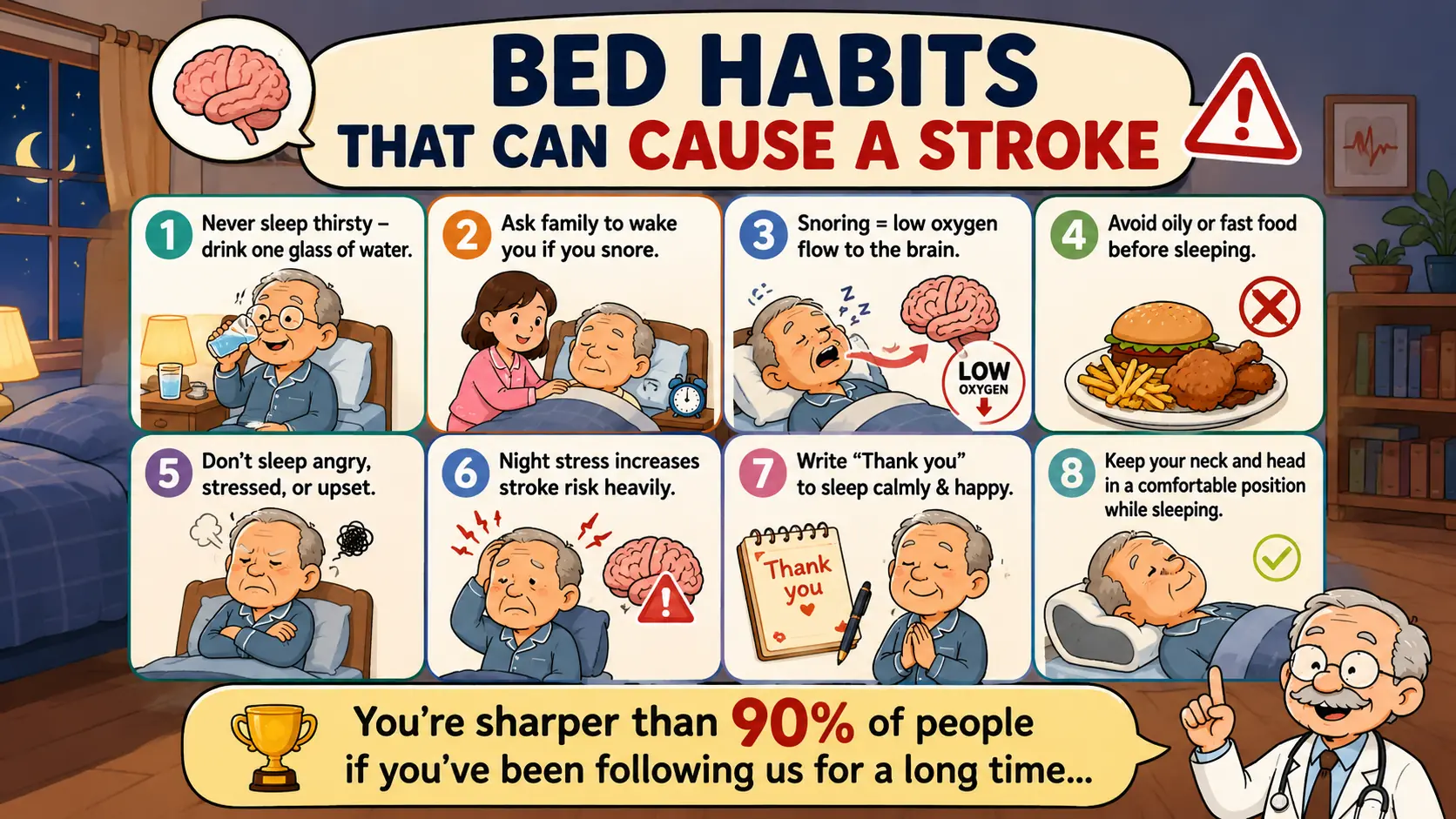
4. Should you avoid oily or fast food before bedtime?
This advice has some truth behind it—but not for the reason many people think.
Eating a large, greasy meal shortly before bed may cause:
-
Acid reflux
-
Heartburn
-
Indigestion
-
Poor sleep quality
Poor sleep can affect overall health, but eating one fast-food meal before bed does not directly cause a stroke.
The greater concern is long-term dietary habits.
Regularly consuming foods high in sodium, saturated fat, trans fat, and highly processed ingredients increases the risk of:
-
High blood pressure
-
High cholesterol
-
Obesity
-
Type 2 diabetes
These conditions are among the strongest risk factors for stroke.
Key takeaway:
Focus on maintaining a heart-healthy eating pattern rather than worrying about a single evening meal.
5. Is it dangerous to go to bed feeling angry or stressed?
Many people have heard that sleeping while angry can trigger serious health problems.
The evidence is more nuanced.
Everyone experiences stress, frustration, or sadness from time to time. A single stressful evening is unlikely to cause a stroke.
However, chronic psychological stress may contribute to long-term cardiovascular risk by increasing blood pressure, disrupting sleep, encouraging unhealthy eating habits, reducing physical activity, and increasing inflammation.
Rather than trying to suppress emotions before bed, psychologists recommend healthy coping strategies such as:
-
Deep breathing
-
Meditation
-
Gentle stretching
-
Journaling
-
Talking with someone you trust
-
Reading or listening to calming music
Managing stress consistently over time is much more important than eliminating every negative emotion before sleep.
Key takeaway:
Chronic stress matters more than one stressful night. Healthy stress management supports both mental and cardiovascular health.
6. Does nighttime stress greatly increase stroke risk?
This statement exaggerates the available evidence.
Stress can temporarily raise heart rate and blood pressure, and long-term stress is associated with poorer cardiovascular health.
However, researchers cannot say that ordinary nighttime stress by itself dramatically increases the immediate risk of stroke.
The largest contributors to stroke remain well-established medical conditions such as:
-
High blood pressure
-
Diabetes
-
High cholesterol
-
Smoking
-
Obesity
-
Physical inactivity
-
Atrial fibrillation
-
Untreated sleep apnea
Reducing stress is beneficial, but it should be viewed as one component of an overall healthy lifestyle.
Key takeaway:
Long-term stress management supports heart and brain health, but it is only one piece of stroke prevention.
7. Can writing "Thank you" before bed reduce stroke risk?
Practicing gratitude has become increasingly popular, and there is scientific evidence that gratitude exercises may improve emotional well-being and help some people sleep better.
Keeping a gratitude journal can encourage positive reflection and reduce repetitive negative thinking before bedtime.
However, writing the words "Thank you" does not directly prevent stroke.
Its benefits come from promoting relaxation, improving emotional resilience, and reducing stress—not from the phrase itself.
Key takeaway:
A gratitude journal may improve emotional well-being and sleep quality, but it should not be considered a medical strategy for preventing stroke.
8. Does sleeping with proper head and neck support prevent stroke?
A comfortable sleeping position can reduce neck pain, headaches, and muscle stiffness.
Using a supportive pillow may also improve sleep quality for many people.
However, there is no strong scientific evidence showing that ordinary head or neck position directly prevents stroke.
For people with obstructive sleep apnea, sleeping position can sometimes influence airway obstruction. Some individuals experience fewer breathing interruptions when sleeping on their side instead of their back, although treatment should always be guided by a healthcare professional.
Key takeaway:
Choose a comfortable sleeping position to improve sleep quality, but do not rely on pillow position as a proven method of preventing stroke.
The bedtime habit that deserves the most attention
Among all the claims discussed, untreated obstructive sleep apnea is the one with the strongest scientific connection to stroke.
Sleep apnea repeatedly interrupts breathing during sleep, causing drops in blood oxygen, frequent awakenings, and increased stress on the cardiovascular system.
Over time, untreated sleep apnea can contribute to:
-
High blood pressure
-
Irregular heart rhythms
-
Heart disease
-
Stroke
Warning signs include:
-
Loud habitual snoring
-
Witnessed pauses in breathing
-
Gasping or choking during sleep
-
Morning headaches
-
Daytime fatigue despite adequate sleep
If these symptoms sound familiar, discussing them with a healthcare provider may be one of the most important steps you can take for your long-term health.
The bottom line
Healthy bedtime habits support better sleep, emotional well-being, and cardiovascular health, but they should never replace proven stroke prevention strategies.
The most effective ways to reduce stroke risk include:
-
Keeping blood pressure under control
-
Managing diabetes and cholesterol
-
Exercising regularly
-
Eating a balanced, heart-healthy diet
-
Avoiding smoking and excessive alcohol
-
Maintaining a healthy weight
-
Getting sufficient, high-quality sleep
-
Seeking evaluation for possible sleep apnea if you snore loudly or stop breathing during sleep
Many viral health tips contain a small amount of truth, but they often oversimplify complex medical conditions. Understanding what the evidence actually shows allows you to make informed decisions and focus on the habits that genuinely protect your brain and overall health.